October 2026/Health
This is 39. Starting again, again.
Years of different approaches, a surgery, regain, and now a GLP-1 as another tool. Written from the middle of it, not the finish line.
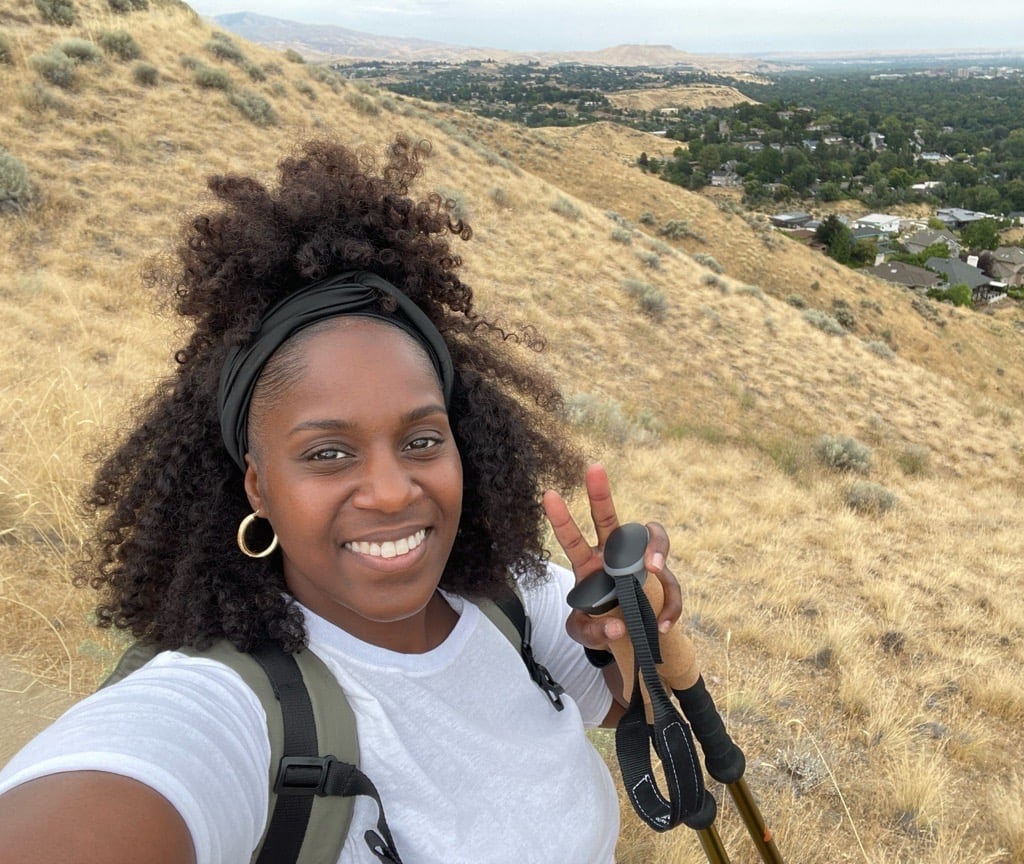
I just turned 39. I’ve had periods where I’ve successfully lost weight and periods where I’ve gained weight back.
I don’t want to tell this story from the perspective of someone who figured health out. I haven’t.
What interests me now is what happens when you’re approaching 40 and realize that taking care of your body can’t continue being something you eventually get around to.
01
Everything I’ve tried
I’ve been trying to lose and manage my weight in different ways for years. I’ve done the things so many people have tried: cabbage soup diets, lemonade and Master Cleanse-type diets, Atkins, Weight Watchers, HCG, and other approaches.
I eventually had a vertical sleeve gastrectomy, and it worked. I lost weight. But losing weight and maintaining weight loss are two different things, and the second one is where I’ve spent the years since.
Now, at 39, I’m approaching this differently. I’m currently using a GLP-1 medication, tirzepatide, as another tool to help me be successful. I don’t want to hide that or tell a story that makes it sound as though I’m accomplishing everything through willpower alone.
02
Why health is part of wealth
Health is part of how I define wealth. Building money for a future you aren’t healthy enough to enjoy doesn’t make much sense to me. That’s not a metaphor about balance. It’s the one asset the others can’t replace.
03
The part I most want to say
It’s about the stigma around getting help with weight. Sometimes we treat someone’s success as less legitimate because they used medication, had bariatric surgery, worked with a professional, or used another tool. I don’t agree with that. If there is an appropriate tool that can help me follow through, improve my health, and have a better chance at long-term success, I’m willing to use it.
It also doesn’t match what the medical field has been saying for over a decade. In 2013 the American Medical Association adopted policy recognizing obesity as a disease state with multiple pathophysiological aspects, requiring a range of interventions for treatment and prevention. Whatever else that means, it means the willpower framing was never the whole picture.
None of which is me telling you what to do with your body. Surgery and medication aren’t right for everyone, I’m not qualified to give medical advice, and I’m not giving any here. This is my personal experience and what I’m choosing for myself under medical care. Your version of that conversation belongs with your doctor.
What I will say plainly: the surgery didn’t do the work for me, and the medication doesn’t live my life for me. These are tools. I still have to build the habits, make the decisions, follow through, and figure out what maintenance looks like for me.
I don’t think getting help makes the work count less.
So what I’m actually trying to figure out is what sustainable health looks like for me. Not how to lose weight again. I’ve done that. Losing it again isn’t the hard part or the interesting one.
That’s where I am at 39. I’m not writing this from the finish line. I’m trying again, but this time I’m less interested in proving I can do it the hard way and more interested in building something I can actually sustain. This story doesn’t end with a transformation, because I’m still in it. That’s the point.
What you can take from this
- Restarting is not evidence of failure. It’s the normal shape of a long build, and treating it as shameful is what makes people quit for good.
- Build for the tired version of yourself. A plan that only works on a good week isn’t a plan.
- Using help is not cheating. Judge a plan by whether it lasts, not by how hard it was to follow. The tool still leaves all the daily work to you.
- Losing and maintaining are two separate projects with two separate skill sets. If you’ve only ever planned the first one, that’s the gap.
- Change the question. “How do I lose weight again?” has a known answer you’ve already used. “What can I sustain?” is the one that actually needs work.
Your move.
Pick the smallest thing you could do consistently for two weeks, and take whatever help makes it likelier to happen. If there’s a conversation you’ve been avoiding with a doctor because you thought you should be able to handle it yourself, have it. I’m in the middle of this one with you, not ahead of you.
Get the next entryWritten from personal experience. Nothing here is medical advice or a recommendation of any treatment. Talk to your own physician about what’s appropriate for you.