About
I’m building a
life I love.
Out loud.
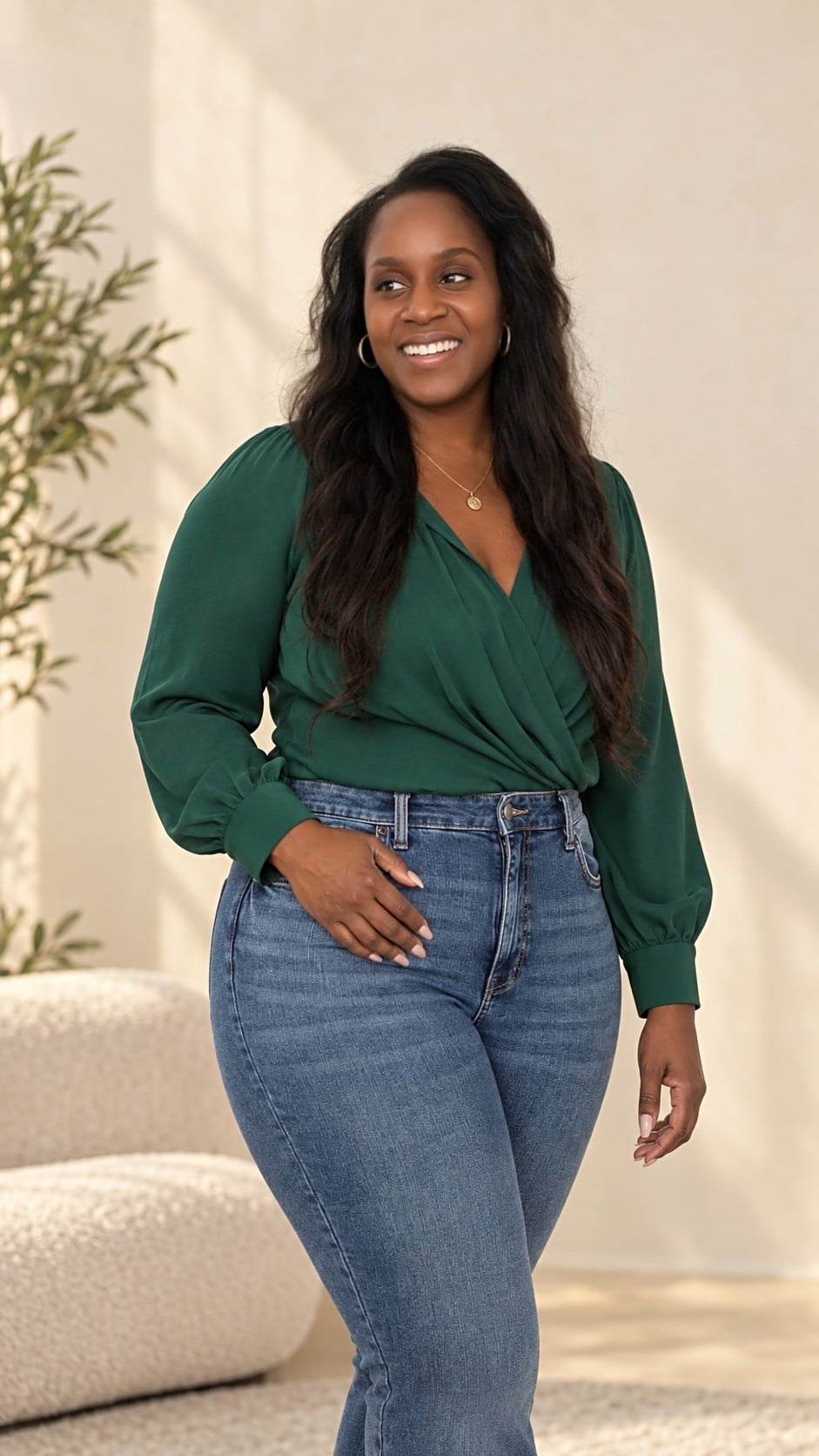
I’m Sherika Ralliford — a fiduciary financial advisor, entrepreneur, and systems builder. Wealth is one part of it. I’m also building a home, my health, my routines, my walk with God, my community, and the creative work that keeps all of it human.
This is where I document the whole build — the money and the life it’s actually for.
The story
I didn’t plan on financial services. I ended up here because my mother got sick, and what I learned too late became the question I’ve been chasing ever since: what else don’t I know?
01 — How I got here
I was 28 and working in compliance at AT&T’s corporate office when my mom was diagnosed with early-onset Alzheimer’s. She was 56. Two and a half years in, she was wandering at night and needed real care, and a 24/7 call-center job low on the seniority list gave me none of the flexibility I suddenly needed. I had to pivot my career because I had become a caregiver.
That pivot took me to Prudential. I got my Series 6 and my insurance license and started learning about products and strategies I hadn’t known existed. One hit close to home: policies with living benefits and accelerated benefit riders. If certain planning had been in place before her diagnosis, there could have been money available to help fund her care. It wasn’t in place. My mother considered herself a saver, and she did save, but nowhere near what a 56-year-old woman would need for what was coming.
At the same time I was realizing something else: I wasn’t living with my mother while I figured out adulthood anymore. She was going to be living with me, and I was going to be responsible. I got into this industry almost accidentally. I stayed because I became obsessed with the answers.
02 — I became a student of the industry
I decided to be a sponge, and I still am. Prudential taught me insurance and products. Merrill Lynch, where I added my Series 7 and 66, taught me the other side — client relationships, investment management, onboarding, systems, the traditional wealth-management model. A boutique investment firm after that put me around managed portfolios, IPOs, secondary offerings, private placements, and daily futures reporting. Every environment showed me another part of the financial world, and every one of them made me question something.
Starting with this: “the market is down 28%, but you’re only down 24%, so we’re doing well.” Technically that’s outperformance. But if someone is living off that money, being down less doesn’t solve their problem. I started questioning diversification as a complete strategy, too. Give five people the same money, the same goals, and the same time horizon, and let them enter the market at different points — they can end up with dramatically different lives.
Hope is not a strategy.
So I got much more interested in how a portfolio is structured before a hard market than in how it’s explained afterward. That meant looking past investments in isolation and asking what happens when investments, insurance, liquidity, income planning, taxes, and risk management actually work together. If someone can draw income from somewhere else during a downturn, their investments get time to recover instead of being sold at the worst possible moment.
That curiosity eventually moved me across the country. I was born and raised in Florida and had never lived anywhere else, and then I found an approach to portfolio construction in Idaho that challenged something I’d been told my whole career — that more return simply requires accepting more risk. What matters is which risks you’re taking, how they’re structured, and what exposure you’re actually after. I believed in it enough to move to Boise. The mechanics aren’t the point. The willingness to question what I know and change when I find something better is.
03 — My definition of wealth got bigger
The more time I spent professionally thinking about wealth, the more obvious it became that wealth is much bigger than money. Money matters, a lot. But what are we building it for?
Health is wealth in a literal sense. You can build an incredible portfolio and still not be healthy enough, or here long enough, to live the life you built it for. My own health isn’t a finished success story — I’ve lost weight, gained it back, started over, and my 30s are teaching me that taking care of myself takes more intention than it used to. I’m willing to build that publicly precisely because I haven’t mastered it.
Buying my home changed how I think about money too. It’s made me think harder about liquidity, leverage, opportunity cost, equity, investing versus accelerating a mortgage, and the gap between qualifying to buy something and being prepared to own it.
Faith is another build. There were seasons when I felt far more connected and consistent in my relationship with God, and I’m working on finding that consistency again. Same with people — friendships, family, community, the ability to help, the freedom to choose. The longer I’ve worked in wealth, the clearer it’s become that some of the most valuable things we build never show up on a financial statement.
04 — Where I am now
I’m still a financial professional and still learning. I’m an Investment Advisor Representative with Desert Rose Capital Management, and I’m currently enrolled in a CFP Board-registered education program as I work toward eventually earning the CFP® certification. I work directly with clients, and I’ve expanded into helping independent advisors bring sophisticated strategies to theirs. Which raised another question: if I can help advisors improve what they offer, can I help them build better businesses? That pulled me into marketing, systems, funnels, automation, and AI, and another branch appeared.
That’s the pattern. I learn something because I need it, I get curious, I go deeper, then I start wondering who else it could help.
Which is why I’m building in public — not the finished result, but the middle. Because everybody is building something. Someone is rebuilding their health. Someone is buying their first home. Someone is trying to get closer to God, or start a company, or make friends in a new city, or learn AI before it leaves them behind. Someone is trying to become a version of themselves they haven’t met yet. The internet is full of people after they’ve succeeded. I’m interested in what happens before that.
My career, my expertise, my health, my faith, my home, my businesses, my community, my relationships, my creative ideas — and ultimately my life. I don’t have every piece figured out, and that’s the point. I want people to see me building and feel permission to build too.
The house story
$545
My net cost at closing to buy my house.
$545 out of pocket, after most of my earnest money came back to me. It’s an interesting headline, and the headline isn’t the lesson.
Being able to buy a house for $545 out of pocket is not the same thing as buying a house with $545 to your name. Those are completely different situations. I’m writing the full breakdown of how it happened, and what I’d want anyone to have in place before trying it.
Read the breakdown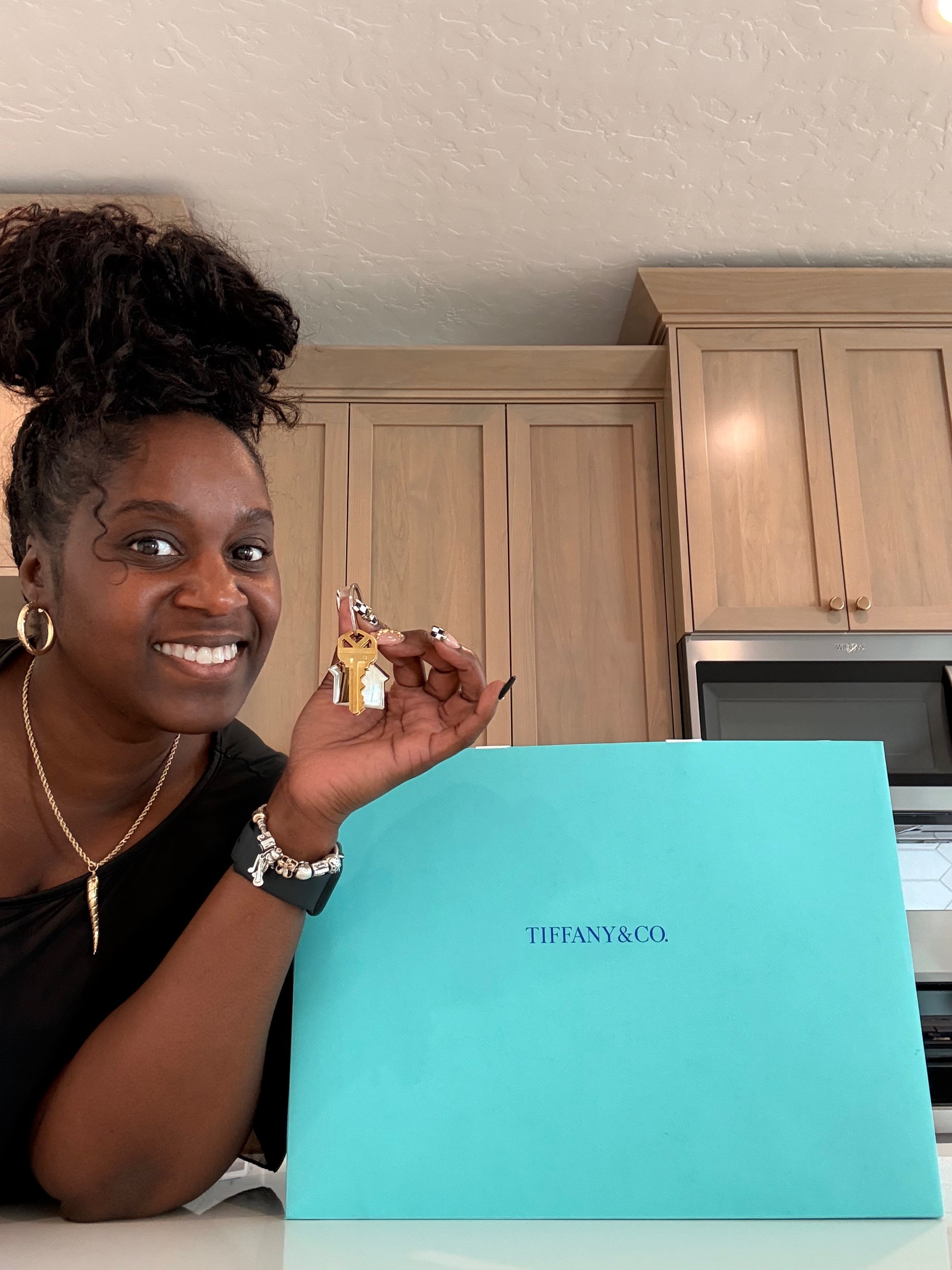
What I believe
Four things I don’t negotiate on.
01
Your interests come first
The fiduciary standard, in practice: no product pushing, no hidden incentives, no advice I wouldn’t take myself.
02
Systems beat willpower
Wealth is built by structures that work when you’re tired, busy, or distracted. Motivation isn’t a plan.
03
Clarity over complexity
If a strategy can’t be explained plainly, it usually benefits someone other than you.
04
Build it in public
I share the process while it’s still messy, because the finished version teaches less than the build.
Credentials
The formal part.
March 2027 marks ten years in financial services. Along the way I’ve held Series 6 and Series 7 registrations; my Series 66 is the one currently active.
Investment Advisor Representative
Desert Rose Capital Management · ~2 years
Series 66
Currently active registration
Series 6 · Series 7
Previously held
MBA
Lynn University, Boca Raton, Florida
In progress
Enrolled in a CFP Board-registered education program
Right now
Everything I’m building.
Some of it is work. Most of it isn’t. It all runs on the same principles.
Wealth strategy for clients
One-on-one planning built around your actual life, not a model portfolio.
Work with me →Systems and AI for advisors
Tools and workflows that give practices back their time without losing the human part.
See what I’m building →A home, one room at a time
Bought it with $545 out of pocket. Now I’m decorating it slowly and paying for it deliberately.
Health and routine
Building good health the same way I build a portfolio: consistent inputs, boring discipline, long horizon.
Faith and community
My relationship with God sets the pace, and the people around me keep it honest.
Creative expression
Writing, making, and designing — the part that isn’t optimized for anything.
The Build Journal
Notes from all of it — what’s working, what isn’t, and what I’d do differently.
Read the journal →Come build alongside me.
The Build List gets the process first — decisions, lessons, and what I’m launching next.